Dessert Vanilla Sponge Cake
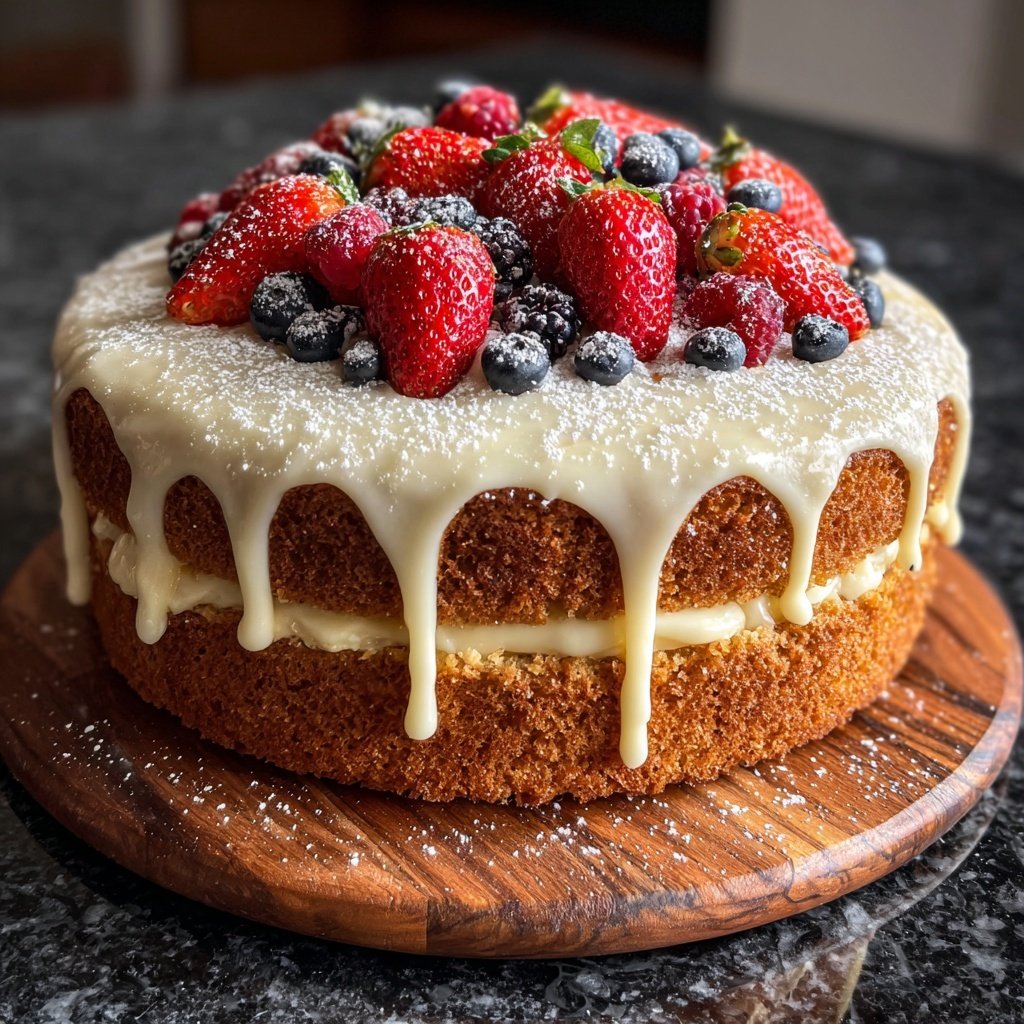
When I set out to make a vanilla sponge cake, I knew I wanted something light and airy, yet rich in flavor. After various attempts, I discovered that incorporating whipped egg whites gently into the batter made all the difference. The result was a cake that rose beautifully and was incredibly moist. This simple recipe is now my go-to for any occasion, whether it's a family gathering or a cozy evening at home enjoying a slice with tea. You’ll love how versatile and delicious it is!
My first attempt at making a vanilla sponge cake was a bit daunting, but it quickly became a cherished recipe in my kitchen. I remember experimenting with different baking techniques, and found that a slow whisking of the sugar and eggs really helped to aerate the mixture. This small detail transformed my sponge from dense to delightfully light.
What I've learned is that timing is everything. Once the cake comes out of the oven, letting it cool properly before frosting is crucial. This way, the layers stay fluffy and soft — perfect for absorbing any flavors from the frosting or fillings!
Why You Will Love This Recipe
- Light and airy texture that melts in your mouth
- Subtle vanilla flavor complemented by your favorite frosting
- Easy to make and customize for any occasion
Understanding the Ingredients
Each ingredient in this vanilla sponge cake plays a crucial role in achieving that perfect balance of texture and flavor. The eggs are pivotal; the yolks add richness, while the whipped egg whites introduce the lightness that makes the cake airy. For the flour, all-purpose is ideal as it provides just enough gluten structure without making the cake dense. If you're in a pinch, you can substitute half of the all-purpose flour with cake flour to produce an even lighter cake.
Granulated sugar is not just for sweetness; it also contributes to the cake's structure. When beaten with the egg yolks, sugar helps create a creamy emulsion that traps air, resulting in a fluffier texture. If you're looking for a bit of an experiment, consider replacing half of the granulated sugar with brown sugar for a hint of caramel flavor, but be mindful that this may result in a denser cake.
Don't underestimate the importance of flavoring. High-quality vanilla extract will elevate your cake's taste significantly. If you want to experiment with different flavors, feel free to incorporate a touch of almond extract or even citrus zest for a refreshing twist.
Mastering the Technique
The method of whipping egg whites is crucial for the cake's success. Ensure your mixing bowl and beaters are completely clean and free of grease, as any residual fat can prevent the egg whites from whipping to a proper volume. Avoid overbeating; you want stiff peaks that can hold their shape but still remain glossy. If they become dry or grainy, they can lose their ability to fold into the batter effectively.
When folding the whipped egg whites into the batter, use a spatula and employ a gentle motion to avoid deflating the whipped air. It's essential to fold until just combined to maintain the airy texture. A good visual cue is to look for a consistent color throughout, with only a few visible white streaks remaining. This process is what lets your cake rise beautifully during baking.
Keep an eye on your cake towards the end of the baking time. Ovens can vary in temperature; the cake is done when the top is golden and a toothpick inserted into the center comes out clean. If you notice the edges browning too quickly, place a sheet of aluminum foil over the cake to prevent it from burning while the center finishes baking.
Storage and Serving Tips
Once your cake has cooled completely, store it in an airtight container at room temperature for up to 3 days. If you prefer a longer shelf life, consider freezing it. Wrap individual slices in plastic wrap and place them in a freezer-safe bag, where they can be stored for up to 3 months. To enjoy, simply thaw at room temperature or pop a slice in the microwave for a few seconds for a fresh-out-of-the-oven taste.
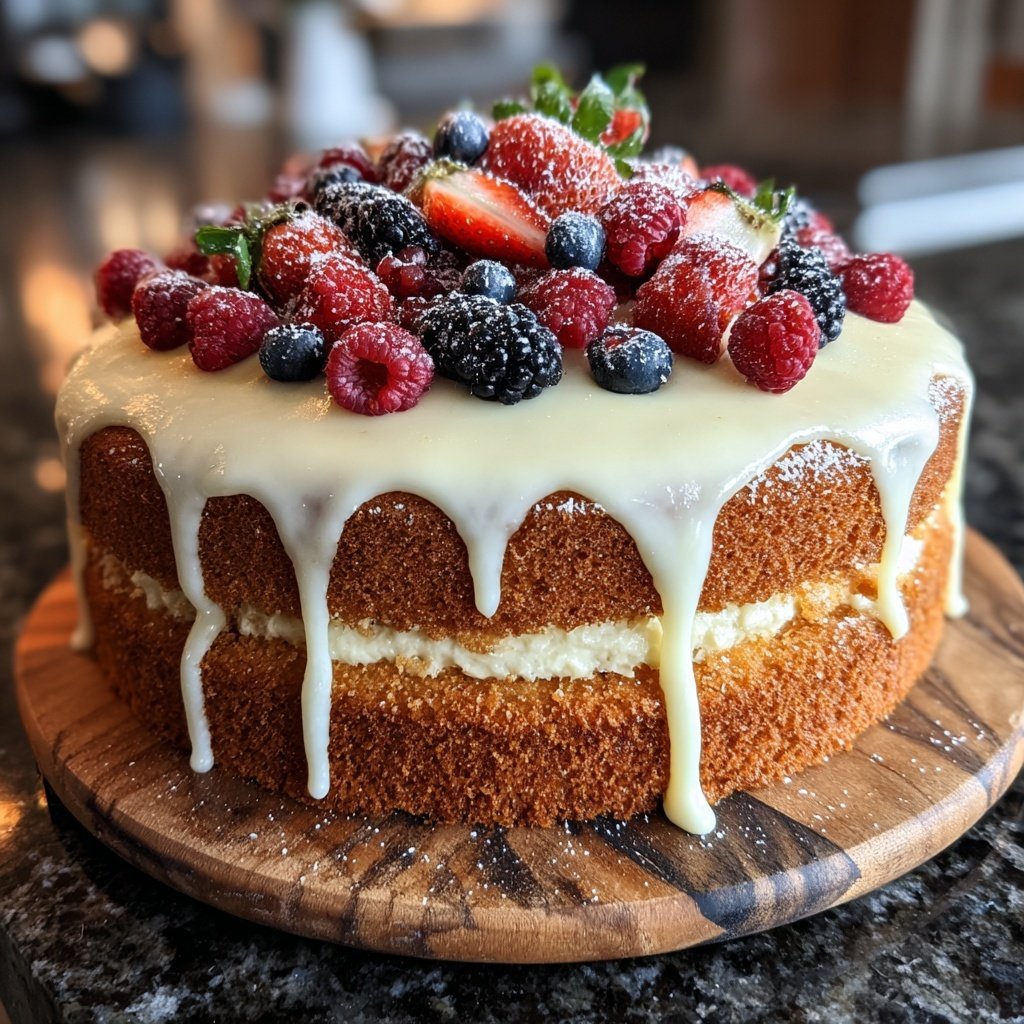
Serving suggestions for this vanilla sponge cake are endless. A simple dusting of powdered sugar can enhance its presentation beautifully, or you might pair it with a fruit compote for added flavor. For a richer experience, consider a buttercream or whipped cream frosting. You could also layer the cake with fresh fruits or jam in between for a delightful surprise.
If you're feeling adventurous, why not customize the flavor by adding cocoa powder to half the batter for a marble cake effect? Or, bake the sponge in a loaf pan instead of a round one for a different shape. Each variation brings a unique twist while preserving that beloved light and airy texture.
Ingredients
Gather the following ingredients for an ideal cake experience:
Ingredients
- 1 cup all-purpose flour
- 1 cup granulated sugar
- 4 large eggs, separated
- 1/4 cup milk
- 1/4 cup unsalted butter, melted
- 1 teaspoon vanilla extract
- 1 teaspoon baking powder
- 1/2 teaspoon salt
Make sure to measure the ingredients accurately for the best results.
Instructions
Follow these steps carefully to achieve the perfect sponge cake:
Preheat the Oven
Preheat your oven to 350°F (175°C) and grease a round cake pan.
Prepare the Batter
In a mixing bowl, whisk together the egg yolks, sugar, and melted butter until creamy. Add milk and vanilla extract, mixing well. Gradually fold in the flour, baking powder, and salt.
Whip Egg Whites
In another bowl, beat the egg whites until they form stiff peaks. Gently fold the whipped egg whites into the batter until just combined.
Bake the Cake
Pour the batter into the prepared cake pan and bake for 25 minutes, or until a toothpick inserted into the center comes out clean.
Cool and Serve
Allow the cake to cool in the pan for 10 minutes before inverting onto a wire rack to cool completely.
Once cooled, feel free to frost or serve as is!
Pro Tips
- For added flavor, consider infusing the milk with vanilla bean or citrus zest while it warms. This will enhance the taste of the cake significantly.
Mixing Methods
For the mixing process, using a hand mixer on medium speed works well to combine the egg yolks and sugar quickly. If you're using a stand mixer, remember not to overbeat the mixture, as it can become too thick and impede the aeration process necessary for a sponge cake. As a personal tip, I find it easier to whisk the egg yolks and sugar by hand if I'm making a smaller cake, allowing for more control over the texture.
When folding the batter, start with a small amount of whipped egg whites to lighten the yolk mixture, then gradually incorporate the remaining whites. This method ensures that you don't lose too much air, which is critical for the rise. The folding action should feel almost like a gentle embrace, mixing without aggression; if you see pockets of egg whites, you're doing it right.
Final Touches
Once your cake is out of the oven, resist the urge to rush into frosting it. Allow it to cool in the pan for at least 10 minutes. This resting period allows the cake to firm up, making it easier to handle without breaking. If you're in a humid environment, you might want to leave the cake in the pan for slightly longer to prevent it from becoming too moist.
For a delightful serving twist, I recommend soaking the cake with a light syrup made from equal parts sugar and water, flavored with vanilla or citrus. This not only enhances moisture but adds an extra flavor dimension that pairs wonderfully with fruity toppings or creamy frostings.
Questions About Recipes
→ Can I add flavor variations?
Absolutely! You can incorporate lemon zest, almond extract, or any flavoring of your choice either in the batter or as part of the frosting.
→ How do I store leftovers?
Store the sponge cake in an airtight container at room temperature for up to 3 days. For longer storage, refrigerate, and consume within a week.
→ Can I freeze this cake?
Yes! Wrap the cooled cake tightly in plastic wrap and foil before freezing. It will keep well for up to 3 months.
→ What frosting pairs well with this sponge cake?
This vanilla sponge cake pairs excellently with buttercream, whipped cream, or even a light fruit glaze for a refreshing finish.
Dessert Vanilla Sponge Cake
What You'll Need
Ingredients
- 1 cup all-purpose flour
- 1 cup granulated sugar
- 4 large eggs, separated
- 1/4 cup milk
- 1/4 cup unsalted butter, melted
- 1 teaspoon vanilla extract
- 1 teaspoon baking powder
- 1/2 teaspoon salt
How-To Steps
Preheat your oven to 350°F (175°C) and grease a round cake pan.
In a mixing bowl, whisk together the egg yolks, sugar, and melted butter until creamy. Add milk and vanilla extract, mixing well. Gradually fold in the flour, baking powder, and salt.
In another bowl, beat the egg whites until they form stiff peaks. Gently fold the whipped egg whites into the batter until just combined.
Pour the batter into the prepared cake pan and bake for 25 minutes, or until a toothpick inserted into the center comes out clean.
Allow the cake to cool in the pan for 10 minutes before inverting onto a wire rack to cool completely.
Extra Tips
- For added flavor, consider infusing the milk with vanilla bean or citrus zest while it warms. This will enhance the taste of the cake significantly.
Nutritional Breakdown (Per Serving)
- Calories: 380 kcal
- Total Fat: 26g
- Saturated Fat: 15g
- Cholesterol: 195mg
- Sodium: 85mg
- Total Carbohydrates: 32g
- Dietary Fiber: 3g
- Sugars: 24g
- Protein: 6g